
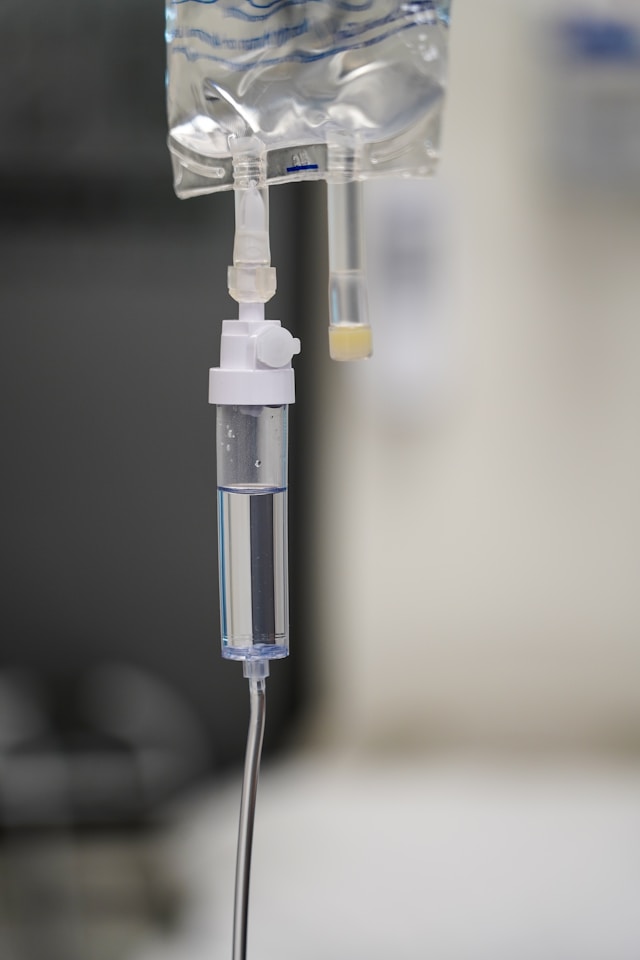
Infusion therapy made simple: types, benefits, safety, and value
Infusion therapy can sound complicated until someone explains it in everyday language. At ADAPS Healthcare in Norwood, we keep it simple, safe, and personalized so
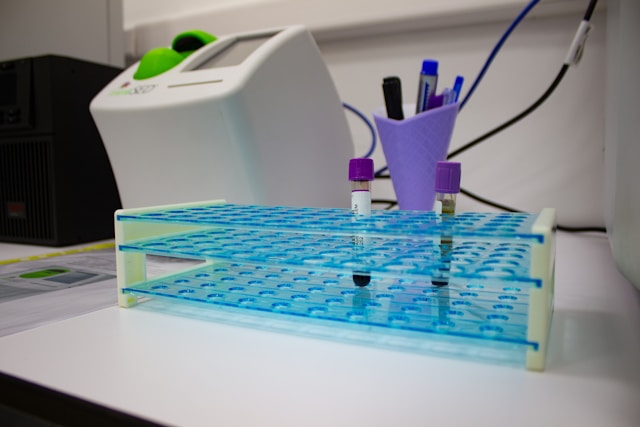
A1C testing 101: ordering, accuracy, coverage, and what your number means
If you have questions about A1C, you are not alone. This simple blood test is one of the most useful tools for screening prediabetes and

Your first infusion visit: exactly what to expect at ADAPS RevIVe Hydration Station
If you are curious about IV therapy but unsure what the visit is really like, you are not alone. New patients often tell us they

Same-day primary care or urgent care: what’s best for today’s health problem?
When you wake up with a sore throat, twist an ankle on a morning run, or notice burning when you pee, the first question is

Is a GLP-1 Medication Right for You? What to Know Before Starting Medical Weight Loss
If you’ve been researching weight loss options lately, you’ve almost certainly come across GLP-1 medications. Names like Ozempic, Wegovy, Mounjaro, and Zepbound are everywhere —

What to Expect When You Switch to a Nurse Practitioner for Primary Care
Finding a primary care provider who actually listens can feel impossible right now. Between provider shortages, long wait times, and the ripple effects of local

What to Do When You Feel Sick But Your Tests Are Normal
One of the most frustrating things you, as a patient, can hear is: “Your tests are normal.”
When you still feel exhausted, in pain, foggy, or unwell, normal results can feel invalidating. At ADAPS Healthcare, we want patients to know that normal tests do not automatically mean your symptoms are not real. They mean that certain serious or measurable conditions were not found — which is often reassuring — but they do not rule out every possible cause.

When Should You See a Primary Care Provider vs. Urgent Care?
Many patients are unsure where to go when they feel sick or injured. Should you call your primary care provider, visit urgent care, or go to the emergency room? Understanding the difference can save time, reduce costs, and ensure you receive the right level of care. We help patients navigate these decisions so they can get appropriate treatment and establish long-term, continuous care.

How to Know if Your Symptoms Are Hormone-Related
Many patients come to primary care appointments asking a similar question:“Could my symptoms be hormone-related?”
Hormones regulate essential functions such as metabolism, energy, mood, sleep, and blood sugar. When hormone levels are abnorma, or when the body does not respond to them properly, symptoms can occur. However, hormonal symptoms are often nonspecific and overlap with many other medical conditions, which makes proper evaluation essential.

The Truth About Vitamin Deficiencies: Signs, Testing, and Treatment
At ADAPS Healthcare, we frequently see patients who are doing “all the right things” — eating well, staying active, and getting enough sleep — yet still feel fatigued, foggy, or unwell. One common question we hear is whether vitamin deficiencies could be playing a role.

Post-Holiday Reset: How to Support Your Body After Thanksgiving
Thanksgiving often brings cherished time with loved ones and a few extra helpings of our favorite dishes. While enjoying holiday meals is part of the celebration, it’s common to feel sluggish, bloated, tired, or off-track afterward. The good news? You don’t need extreme diets or “detoxes” to feel better. Small, intentional habits can help your body reset and return to balance.

Health Screenings Every Woman Should Know About
Staying on top of your health doesn’t have to feel overwhelming. One of the simplest and most powerful ways to protect your long-term well-being is through routine women’s health screenings. These tests help detect potential issues early—often before symptoms appear—so you can make informed decisions about your care.
Infusion therapy made simple: types, benefits, safety, and value
Infusion therapy can sound complicated until someone explains it in everyday language. At ADAPS Healthcare in Norwood, we keep it simple, safe, and personalized so
A1C testing 101: ordering, accuracy, coverage, and what your number means
If you have questions about A1C, you are not alone. This simple blood test is one of the most useful tools for screening prediabetes and
Your first infusion visit: exactly what to expect at ADAPS RevIVe Hydration Station
If you are curious about IV therapy but unsure what the visit is really like, you are not alone. New patients often tell us they
Same-day primary care or urgent care: what’s best for today’s health problem?
When you wake up with a sore throat, twist an ankle on a morning run, or notice burning when you pee, the first question is
Is a GLP-1 Medication Right for You? What to Know Before Starting Medical Weight Loss
If you’ve been researching weight loss options lately, you’ve almost certainly come across GLP-1 medications. Names like Ozempic, Wegovy, Mounjaro, and Zepbound are everywhere —
What to Expect When You Switch to a Nurse Practitioner for Primary Care
Finding a primary care provider who actually listens can feel impossible right now. Between provider shortages, long wait times, and the ripple effects of local
What to Do When You Feel Sick But Your Tests Are Normal
One of the most frustrating things you, as a patient, can hear is: “Your tests are normal.”
When you still feel exhausted, in pain, foggy, or unwell, normal results can feel invalidating. At ADAPS Healthcare, we want patients to know that normal tests do not automatically mean your symptoms are not real. They mean that certain serious or measurable conditions were not found — which is often reassuring — but they do not rule out every possible cause.
When Should You See a Primary Care Provider vs. Urgent Care?
Many patients are unsure where to go when they feel sick or injured. Should you call your primary care provider, visit urgent care, or go to the emergency room? Understanding the difference can save time, reduce costs, and ensure you receive the right level of care. We help patients navigate these decisions so they can get appropriate treatment and establish long-term, continuous care.
How to Know if Your Symptoms Are Hormone-Related
Many patients come to primary care appointments asking a similar question:“Could my symptoms be hormone-related?”
Hormones regulate essential functions such as metabolism, energy, mood, sleep, and blood sugar. When hormone levels are abnorma, or when the body does not respond to them properly, symptoms can occur. However, hormonal symptoms are often nonspecific and overlap with many other medical conditions, which makes proper evaluation essential.