the health hub

Your trusted resource for expert insights on primary care, everyday health and wellness, weight loss management, and more.

Preventative Care

Stroke

A stroke occurs when there is a reduction in the flow of blood to the brain. The lack of blood supply may be the result of a blockage in an artery or a burst blood vessel in the brain. A stroke deprives brain tissue of oxygen and nutrients, causing brain cells to die. A stroke is a medical emergency and requires immediate attention by a medical professional.

Read More
Preventative Care

Hypothyroidism

Hypothyroidism is a common condition that occurs when an underactive thyroid gland does not produce enough hormones to properly manage many important functions of the body. The thyroid is the gland in the front of the neck that controls energy use and metabolic functions.

Read More
Preventative Care

High Blood Pressure

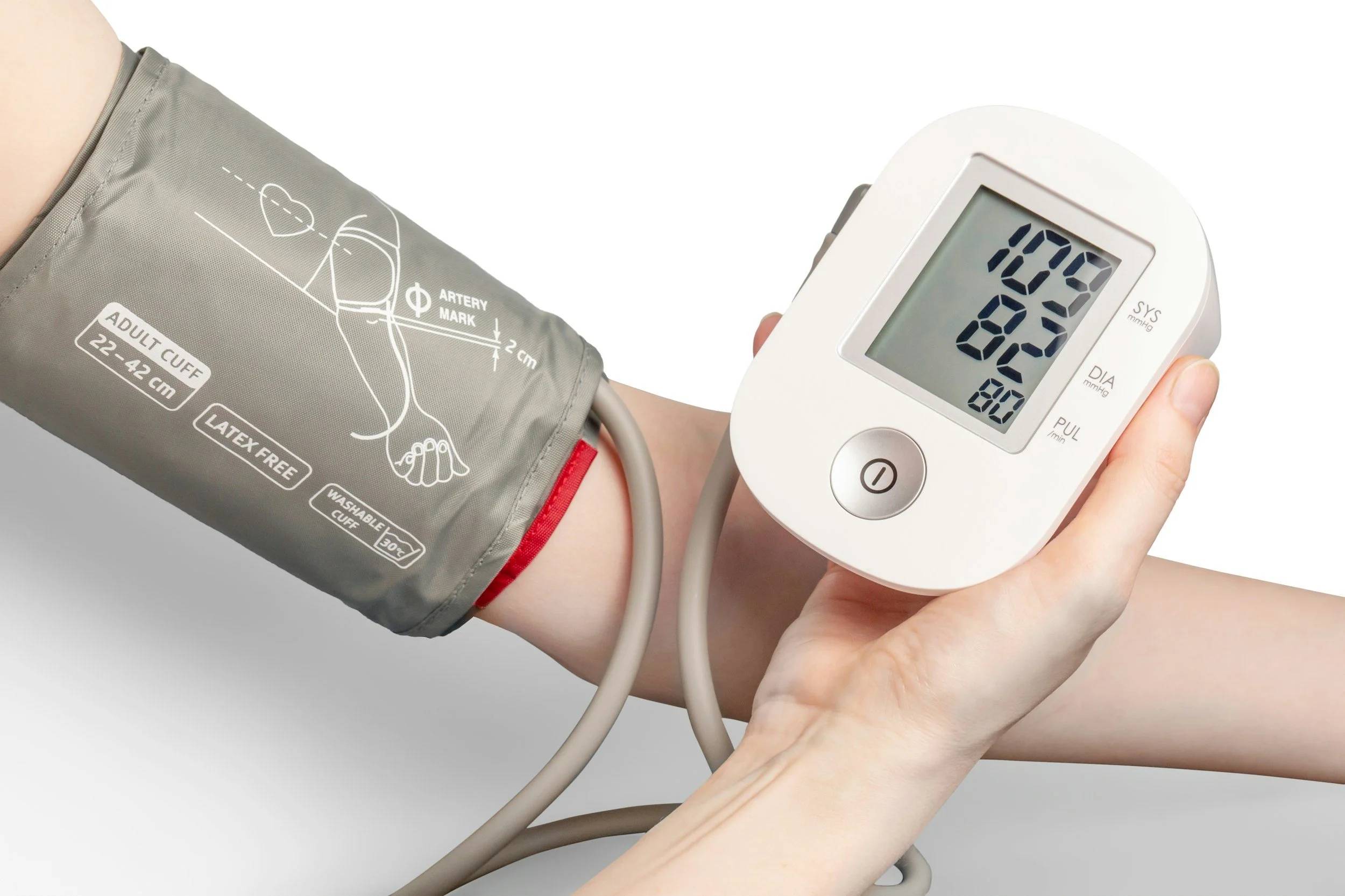
High blood pressure, also known as hypertension, occurs when the pressure of the blood flowing against the artery walls is above the normal range. Blood pressure is determined by the amount of blood the heart pumps and the blood flow resistance in the arteries.

Read More
Preventative Care

Headaches and Migraines

Migraines are chronic headaches that cause intense pain, and throbbing or pulsing sensations in the head. Along with severe head pain, some people also experience nausea, vomiting, and sensitivity to light and sound.

Read More
Preventative Care

Diabetes

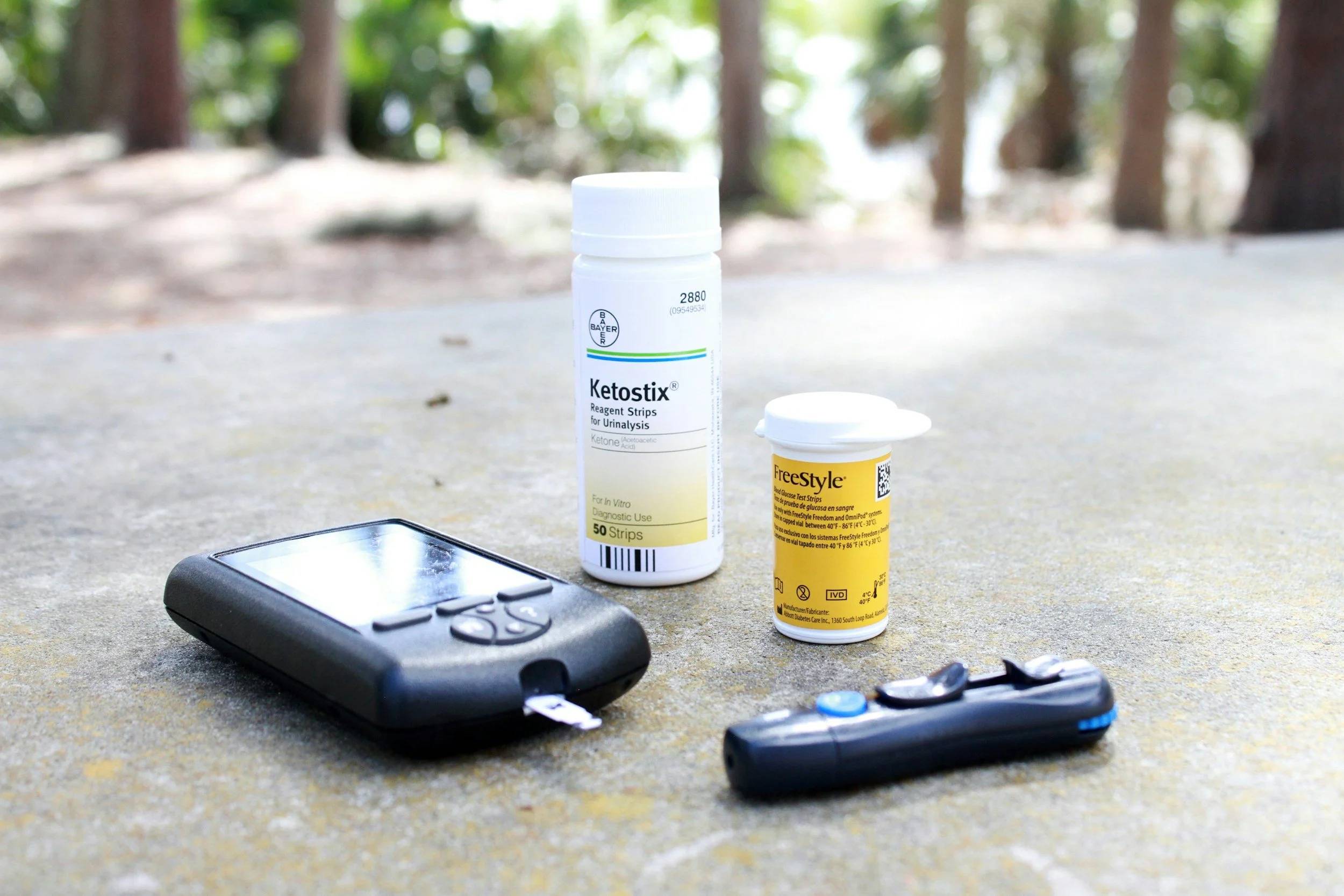
Diabetes is the inability of the body to create or use insulin, a hormone secreted by the pancreas that enables sugar or glucose, to enter the cells. Diabetes is a serious, chronic metabolic disorder in which the body either does not produce enough insulin or does not respond to the insulin being produced.

Read More
Preventative Care

COPD

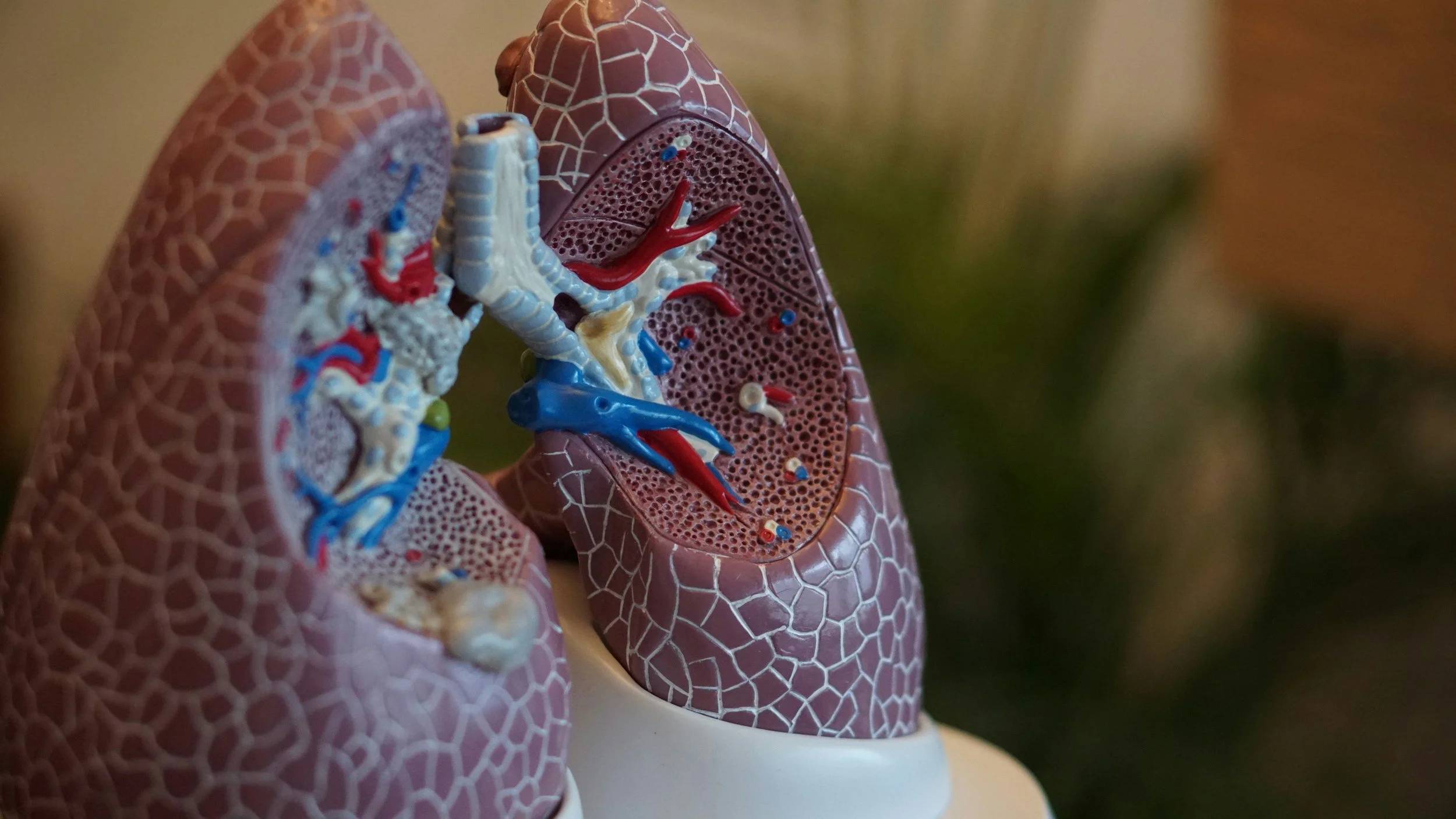
Chronic obstructive pulmonary disease, also known as COPD, is a lung disease that obstructs airflow. It is a progressive condition involving a constant obstruction of the airways, which results in difficulty breathing.

Read More
Preventative Care

Constipation

Constipation affects most people at some point in time. A person is considered to be constipated if they have three or fewer bowel movements in a week or if they do have a bowel movement they are hard, dry or painful.

Read More
Preventative Care

Cholesterol

Cholesterol is produced by the liver, the intestines and nearly all tissues in the body. Cholesterol is needed for the production of hormones, vitamin D and the bile necessary to digest the fats in food. Cholesterol also protects cell membranes from changes in temperature.

Read More

What to Do When You Feel Sick But Your Tests Are Normal

One of the most frustrating things you, as a patient, can hear is: “Your tests are normal.”

When you still feel exhausted, in pain, foggy, or unwell, normal results can feel invalidating. At ADAPS Healthcare, we want patients to know that normal tests do not automatically mean your symptoms are not real. They mean that certain serious or measurable conditions were not found — which is often reassuring — but they do not rule out every possible cause.

Read More

When Should You See a Primary Care Provider vs. Urgent Care?

Many patients are unsure where to go when they feel sick or injured. Should you call your primary care provider, visit urgent care, or go to the emergency room? Understanding the difference can save time, reduce costs, and ensure you receive the right level of care. We help patients navigate these decisions so they can get appropriate treatment and establish long-term, continuous care.

Read More

How to Know if Your Symptoms Are Hormone-Related

Many patients come to primary care appointments asking a similar question:“Could my symptoms be hormone-related?”

Hormones regulate essential functions such as metabolism, energy, mood, sleep, and blood sugar. When hormone levels are abnorma, or when the body does not respond to them properly, symptoms can occur. However, hormonal symptoms are often nonspecific and overlap with many other medical conditions, which makes proper evaluation essential.

Read More

Post-Holiday Reset: How to Support Your Body After Thanksgiving

Thanksgiving often brings cherished time with loved ones and a few extra helpings of our favorite dishes. While enjoying holiday meals is part of the celebration, it’s common to feel sluggish, bloated, tired, or off-track afterward. The good news? You don’t need extreme diets or “detoxes” to feel better. Small, intentional habits can help your body reset and return to balance.

Read More